
At cGMP aseptic packaging plants, sudden pressure drops due to airlock leaks or AHU fan failures are the main cause of contaminated air ingress. Suspended bacteria then enter the inoculation chamber, leading to cross-contamination of expensive injectable drug batches. This situation causes billions of dong in P&L losses and carries the risk of losing GMP-EU certification.
The bottleneck lies in the manual recording of differential pressure using Magnehelic notebooks, which the audit team questioned regarding data integrity. Additionally, the system lacks an automatic alarm mechanism to trigger warning signals when pressure increases.room for drop in threshold.
Therefore, self-monitoring cleanroom pressure is essential.constantly following closely TCVN 8664-3:2011This is an urgent requirement for the Mechanical and Electrical Engineering and QA departments. This article analyzes the microclimate automation solution distributed by Duc Duong.
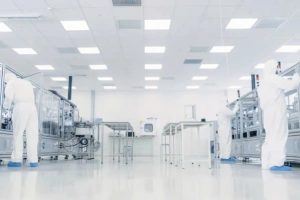
1. Risks of cleanroom pressure drop and cross-contamination.
1.1 Consequences of reverse airflow incidents due to pressure drop
The cleanroom pressure dropped below the threshold.P<10PaThis will completely reverse the direction of the wind. Untreated air from the side corridor, containing suspended bacteria, will flood into the sterile mixing area.
This impact damaged the entire batch of injectable drugs, forcing the factory to destroy the finished product and shut down the production line.24/7In addition, the company faces severe penalties from the Drug Administration if it is found to have violated cGMP safety standards.
(Read more: Managing laboratory chemicals using the Green Lab model reduces new purchase costs by 70%.)
1.2 Differential pressure standards according to TCVN 8664-3:2011 (ISO 14644-3) and cGMP
According to TCVN 8664-3:2011 (ISO 14644-3:2005)Cleanroom pressure standards specify the static pressure differential level.PBetween areas with different cleanliness levels, a certain amount must be maintained.10-15PaThis pressure difference creates an air barrier.It is pushed outwards, preventing microparticles from entering back in.
Compliance with cGMP-WHO/EU Annex 1 ensures the maintenance of cleanrooms from ISO Class 5 to Class 8. Evidence of continuous differential pressure control is a mandatory requirement for cleanroom accreditation.
2. Differential pressure standards and automatic monitoring principles
2.1 Differentiating between positive and negative differential pressure in cGMP cleanrooms
HVAC design stations apply two basic differential pressure principles to maintain sterile safety. Positive differential pressure cleanroom (P>0) continuously expels clean air outwards, protecting the injection chamber. Conversely, a negative differential pressure chamber (P<0They actively draw air inside to prevent antibiotic dust from leaking into the hallway.
| Cleanroom Differential Pressure Type | Standard Differential Pressure ΔP | Applications in Pharmaceutical Factories |
| Positive Pressure Difference RoomP>0) | Differential pressure+10 arrive +15Pacompared to the outside | Microbiological culture chamber, Sterile injectable drug packaging |
| Negative Pressure RoomP<0) | Differential pressure-10 arrive -15Pacompared to the corridor | Raw material weighing room, Beta-lactam antibiotic production |
2.2 Digitizing 24/7 pressure data to meet FDA 21 CFR Part 11
Instead of using manual Magnehelic meters, the QC station switched to electronic pressure sensors for 24/7 monitoring. The system automatically extracts encrypted report files from a SQL Server database.
The solution fully complies with FDA 21 CFR PART 11 standards.Regarding data integrity (DataIntegrity). The Audit Trail log records the history of pressure fluctuations, helping the plant confidently welcome cGMP/FDA inspection teams.
3. Class A sterile air isolation using an ATSH MGK-90 cabinet.
3.1 Setting up a Class A unidirectional reciprocating airflow system with the MGK-90 Cabinet
Even if the overall room pressure is within standard limits, the technician’s manual manipulation can still cause local air turbulence. To eliminate this risk, Duc Duong distributes… Class II A2 MGK-90 Biological Safety Cabinetofficial channels Mikrotest Turkey Official.
ULPA filter membraneEliminates 99.995% of particles smaller than 0.3 µm. The cabinet maintains a Class A (ISO Class 5) unidirectional reciprocating airflow working area, with 70% air recirculation and 30% exhaust through a safety filter.
(Read more: Testing of injectable and intravenous solutions according to Pharmacopoeia standards.)
3.2 Microbiological control protects test samples and technicians.
The negative pressure differential curtain at the front of the cabinet prevents hazardous microorganisms from leaking into the QC room air. This feature meets daily Biosafety Level II standards.
The two-way isolation structure ensures the safety of the testers. At the same time, the device maintains objectivity for microbiological testing of finished products.
Does your company need advice on planning a cleanroom differential pressure monitoring system and receive a free IQ/OQ/PQ validation document? Click here Contact Form for Duc Duong CompanyLet our application engineering team provide support right away.
4. Validate sterilization temperature using Datalogger Tempstick Probe
4.1 Validation of the sterilization heat map with Tempstick Probe 200
Pass-box instruments and bottles transferred into a Class A cleanroom must undergo a rigorous sterilization drying process. (Supplied by Duc Duong) Tempstick Probe 200 Self-Recording Thermometerofficial channels Tecnosoft Italy Tempstick Official.
The AISI 316L stainless steel sensor operates reliably across a wide temperature range.0C-200C, achieving accuracy0.1CThe device automatically calculates the sterilization value.F0, creating a heat distribution map (TemperatureMapping) accurate.
(Read more: Standards for distilled water used in laboratories according to TCVN 4851)
4.2 Automatically extract thermal encryption logs for cGMP records
The Tempstick datalogger records real-time temperature changes into a database of encryption keys. The system completely prevents manual modification of the results.
Automated export reports provide transparent sterilization verification evidence for batch records. This solution helps factories confidently pass cGMP audits.
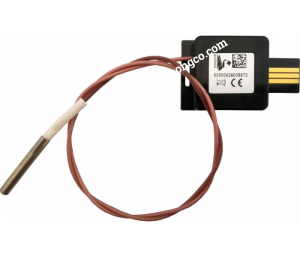
Dataloggers help record accurate temperatures for cleanroom pressure control
5. Solutions to overcome the fear of “reversing airflow & slipping in Audit 21 CFR Part 11”
5.1 Data Integrity Security Lock and Automatic Airflow Shut-off Valve
The worry of reverse pressure drops and the flow of contaminated air is eliminated by an automatic shut-off valve system combined with an alarm. When the pressure drops unexpectedly, the one-way valve automatically closes to seal off the Class A air boundary.
At the same time, the anxiety of failing the audit due to data interference errors is resolved by automated software. The integrated QC station uses Syringe KLOTZ liquid particle counterIncludes SW-CA 3.0 compliant with 21 CFR Part 11.
5.2 Commitment to readily available spare parts and 24-hour on-site technical support.
Duc Duong alleviates concerns about production line downtime due to sensor failure with its readily available spare parts inventory in Ho Chi Minh City. We always have genuine differential pressure sensors, Tecnosoft Dataloggers, and HEPA filters in stock.
Our team of engineers, knowledgeable in cGMP standards, is committed to providing on-site technical support within 24 hours. We guarantee this commitment.This ensures that the plant’s microclimate system operates continuously.
6. The ROI problem and the ISO/IEC 17025 documentation
6.1 The ROI problem for protecting the 24/7 production line.
When the budget browser equips the Board of Directors with a digital differential pressure monitoring system, the return on investment (ROI) is the strongest financial argument. The equipment investment cost is significantly less than the potential losses.The P&L (Profit and Loss) of a batch of injectable drugs that were destroyed due to cross-contamination (worth billions of VND).
The project ensures 100% operational continuity.24/7This eliminates the risk of late contract penalties. The system delivers a break-even ROI within just 9 to 12 months.
6.2 Standardizing the entire ISO/IEC 17025 audit documentation
Duc Duong provides a complete set of Installation Validation (IQ), Operational Validation (OQ), and Performance Validation (PQ) documentation, along with calibration certification meeting ISO/IEC 17025 standards. The documentation is pre-established according to ISO 14644 and cGMP standards.
Transparent digitized evidence is readily available for cGMP-EU and FDA audit teams. The documentation confirms our ability to maintain a sterile environment in accordance with international standards.
Conclude
In short, system automationControlling cleanroom pressure according to ISO 14644 standards combined with 24/7 digital monitoring is a strategic solution that helps factories.The equipment eliminates the risk of microbial cross-contamination and protects the production line. The integrated equipment chain includes a Class II A2 MGK-90 biological safety cabinet (Türkiye) and a heat-resistant Tempstick Probe datalogger.200C(Italy) and Klotz Syringe particle counter with SW-CA 3.0 (Germany) help control microbial contamination at Class A 99.995%, ensuring accurate sterilization and drying verification.0.1Cand records differential pressure according to 21 CFR Part 11. The system completely eliminates the fear of reverse pressure drop and airflow, protecting the production flow.24/7This delivers a break-even ROI of 9-12 months and completes the entire ISO/IEC 17025 accreditation process. Duc Duong is proud to be a reputable partner providing high-quality cGMP cleanroom infrastructure solutions.
Customers who require consultation on cleanroom and sterile room pressure monitoring planning (cGMP) and wish to receive a quote for genuine equipment sets, please contact and register at DUC DUONG SCIENCE AND TECHNOLOGY COMPANYTo receive attentive service.
FAQ
1. What is the standard cleanroom pressure in Pa between cGMP zones?
According to TCVN 8664-3:2011 (ISO 14644-3) and cGMP Annex 1, the static differential pressure levelPA minimum distance must be maintained between a cleanroom with a higher cleanliness level and an adjacent cleanroom with a lower cleanliness level.10-15PaFor cleanroom areas and unclean corridors, the differential pressure is typically maintained at a certain level.12.5-15Pa.
2. What is the difference between positive differential pressure and negative differential pressure cleanrooms in pharmaceutical factories?
Positive differential pressure cleanroomP>0) maintains a higher pressure than the outside to expel clean air, preventing bacteria from entering the inoculation/packaging chamber. Negative differential pressure cleanroomP<0) maintains lower pressure to draw in air, preventing toxic dust or antibiotic materials from leaking into the hallway.
3. How does the MGK-90 Type A2 biological safety cabinet maintain sterility when differential pressure fluctuations occur?
The MGK-90 cabinet is equipped with HEPA/ULPA filters that remove 99.995% of particles >= 0.3 µm, and features automatic unidirectional reciprocating airflow regulation for Class A (ISO Class 5). The device creates an independent sterile zone, providing absolute protection for test samples even when the general pressure difference of the cleanroom fluctuates slightly.
4. How does the Tempstick Probe 200 datalogger meet the requirements for validating the sterilization of cleanroom instruments?
Datalogger Tempstick Probe measuring range0C-200CWith an AISI 316L stainless steel probe, pressure resistant and waterproof IP68 rating. Accurate temperature measurement device.0.1C, automatically calculates the indexF0To produce a transparent Pass-box sterilization assessment report.
5. What accreditation documents does Duc Duong Company provide for its cleanroom monitoring station to achieve ISO/IEC 17025 certification?
Duc Duong provides a complete package of Installation Validation (IQ), Operational Validation (OQ), Performance Validation (PQ) documentation, national/NIST standard calibration certificates for pressure/temperature sensors, and commits to on-site technical support at the factory within 24 hours.