
How to Clean PCBs Without Leaving Dust Using Cleanroom Wipes
A single, ultrafine lint, invisible to the naked eye, is enough to cause a multi-billion dollar batch of PCBs to short circuit. In precision electronics manufacturing environments, maintaining absolute cleanliness is crucial for achieving a high product acceptance rate. However, many technicians still make the mistake of using ordinary cleaning cloths, leading to the accumulation of fine dust or static electricity that damages sensitive semiconductor components.
This article will guide you through the standard SOP (Standard Operating Procedure) cleaning process for PCBs, ensuring no lint is left behind by using specialized, ISO-certified materials. We will explore the one-way cleaning technique and how to choose the right cleanroom cleaning cloth to optimize work efficiency. Mastering this knowledge will not only protect your equipment but also enhance the reputation and quality of your business.
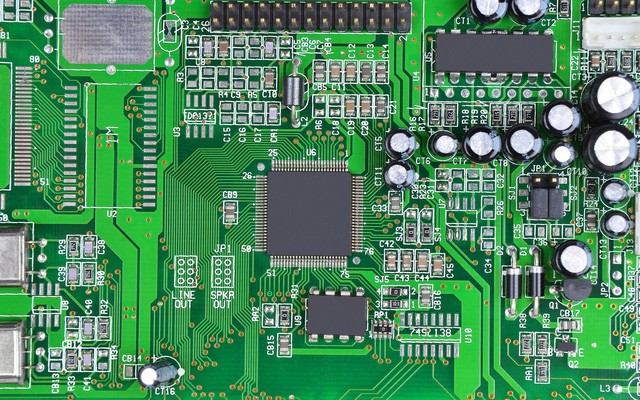
1. ISO Standards in Selecting Cleanroom Wipes
1.1 Classification of Wipes According to ISO 14644-1
To ensure effective cleaning processes, we need to base our decisions on cleanroom classes from Class 10 (ISO 4) to Class 1000 (ISO 6). The density of dust particles per unit area of consumables must be lower than the permissible threshold to avoid cross-contamination of circuit boards. Therefore, understanding this standard helps you make the most accurate and cost-effective purchasing decisions.
When designing a basic laboratory, establishing an ISO-standard cleaning area is an indispensable step. Compatibility between equipment and consumables will create a safe production ecosystem. Below is a table comparing common classes in the electronics industry:
| ISO Level | Equivalent Class | Common Applications |
| ISO 4 | Class 10 | Miniature Circuit Manufacturing |
| ISO 5 | Class 100 | SMT Component Assembly |
| ISO 6 | Class 1000 | Inspection and Packaging of Finished Products |
1.2 Differences Between Regular and Dust-Free Paper
Regular cleaning paper is usually made from wood pulp fibers (cellulose) with a loose structure, easily broken and producing lint upon friction. In contrast, specialized cleanroom paper is made from 100% knitted polyester or a more durable poly-cellulose blend. This tightly bonded structure allows the product to withstand tensile forces without shedding fibers onto component pins.
Furthermore, dust-free paper is manufactured in a closed environment and undergoes a washing process using ultrapure water. This completely eliminates ionic impurities that can corrode solder joints on PCBs over time. Investing in specialized materials is the best way to ensure the longevity of high-end electronic devices.
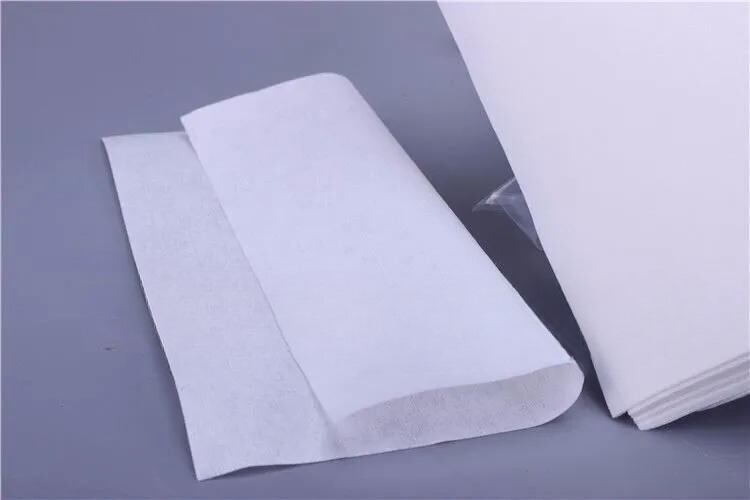
Investing in specialized cleanroom wipes will help protect your equipment effectively
2. Technical Specifications and Materials of Specialized Cleaning Wipes
2.1 Laser Edge Cutting Technology and Lint Resistance
Laser edge cutting technology is currently considered the gold standard in the production of high-quality cleaning wipes for the electronics industry. The heat from the laser beam melts and seals the edges of the fabric fibers, completely preventing lint shedding at the cut edges. AS-ONE Japan is a pioneer in applying this technique to ensure absolute cleanliness for each product.
One of the most trusted solutions today is Kimwipes S-200 Cleanroom Cleaning Wipes (120x215mm). The product has a smooth surface structure, allowing you to clean sensitive circuit boards without worrying about scratching. Key features of this product include:
Extremely low dust generation thanks to the cleanroom packaging process.
The fabric fibers are strong and do not disintegrate when in contact with chemicals.
The 120x215mm size is optimized for handheld use.
2.2 Solvent Absorption Capacity and Purity
Besides dust resistance, the absorption rate of Isopropyl Alcohol (IPA) solution is also an important indicator to consider. High-quality wipes can absorb 4-5 times their weight in solvent, allowing for quick cleaning of grease and rosin. This not only speeds up the work process but also significantly saves on chemical consumption for businesses.
In addition, the Extractables (extractable metals) index is controlled at extremely low levels to avoid ion contamination of the copper surface. The use of pure materials helps maintain the durability of the conformal coating on the circuit board. Therefore, you should prioritize brands with clear NIST or ISO test reports to ensure technical safety.
3. 4-Step PCB Cleaning Process That Leaves No Dust
3.1 Quarter-Fold Technique and One-Way Rule
The quarter-fold technique divides the paper into four equal parts to create eight separate clean sides for use. You begin by wiping from the clean area to the dirty area and switch to a new side of the paper after each contact with dirt. The most important thing is to always follow the one-way wiping rule; absolutely do not rotate the paper to avoid moving dust back.
Before starting, please refer to the 10 important steps to help you choose a medical instrument sterilizer to better understand the rigor of instrument cleaning. Ensuring that the tweezers and gloves are also clean is mandatory before touching the PCB. The standard SOP cleaning procedure usually includes:
Folding the paper using the quarter-fold technique.
Soaking a sufficient amount of solvent onto the paper.
Wiping gently in a fixed direction.
Check again under a microscope and repeat if necessary.
3.2 Combining IPA Solvent for Flux Removal
IPA solution (70% or 99%) is the most common solvent for removing flux after soldering components. We should soak the solvent into a wipe first instead of pouring it directly onto the circuit board to avoid chemical buildup in narrow gaps. Cleanroom wipes help retain melted flux particles, preventing them from spreading on the FR4 surface.
For stubborn stains, you can gently press your fingertip onto the paper to increase pressure, but avoid using your fingernails. Remember that combining the right type of paper and the right solvent will best protect the solder mask. After wiping, the circuit surface will dry quickly and completely without leaving any streaks or fine dust particles.
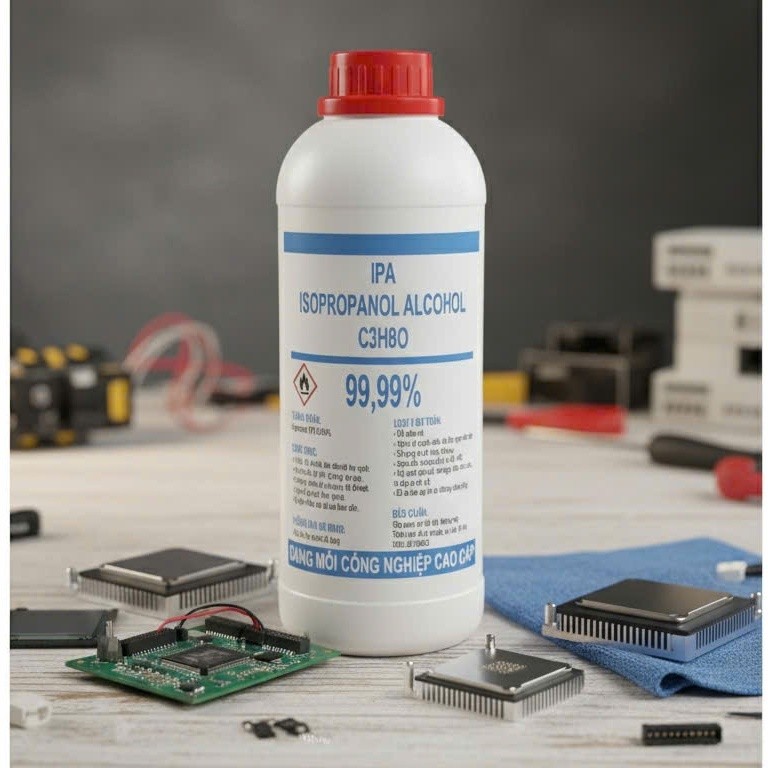
Using IPA solution in combination with specialized cleanroom wipes will yield maximum effectiveness
4. Electrostatic Discharge (ESD) Control and the Risks of Fine Dust
4.1 Electrostatic Discharge Mechanism During Circuit Cleaning
When you perform friction between the cleaning paper and the circuit board surface, the accumulation of static electricity is unavoidable. Without using the right materials, even a small electrostatic discharge is enough to puncture the thin semiconductor layers inside the processor chip. Therefore, specialized cleanroom cleaning paper is usually designed with a surface resistance within a safe range to effectively eliminate static electricity.
In sensitive processes, the use of vacuum chambers, an advanced solution for the industry, can help to more thoroughly remove air bubbles and dust. However, in manual cleaning, anti-static gloves and grounding wires remain an inseparable pair. We need to understand that ESD control is a comprehensive system from personnel to consumables.
4.2 The Harmful Effects of Dust Under a Microscope
Under an industrial microscope, tiny dust particles can become giant "rocks" stuck between the pins of component leads. If it's a conductive or moisture-retaining lint, short circuits or voltage leaks will occur as soon as power is applied. This is especially dangerous for precision measuring instruments or aerospace control systems.
Analysis of post-production defects shows that over 15% of electrical circuit failures originate from improper cleaning during manufacturing. Fine dust remaining after drying can create unwanted resistive bridges, distorting analog signals. Therefore, re-inspection after cleaning is a mandatory step to ensure quality before shipment. 5. Case Study: Optimizing Yield Rate in Production
An electronics component manufacturing plant in Binh Duong recorded a significant improvement in its Yield Rate (the percentage of products that meet standards) after changing materials. Previously, using conventional paper towels resulted in an average loss of 3% of the batch due to lint and dust contamination after coating. After 3 months of switching to AS-ONE's Kimwipes S-200, the Rework rate decreased to below 0.5%.
| Comparison Index | Using regular paper | Using Kimwipes S-200 |
| Dust-induced failure rate | ~3.0% | < 0.5% |
| Cleaning time | 45 seconds/circuit | 30 seconds/circuit |
| Damage cost | Very high (orders must be cancelled) | Minimum |
Although the unit price of a pack of specialized cleanroom wipes is higher than regular wipes, the cost savings from not having to discard defective circuit boards are enormous. We need to recognize that investing in cleanroom supplies is a smart economic decision for the long term. Business efficiency will be significantly improved through the stability of the production process and the trust of partners.
Conclusion
Choosing the right type of cleanroom wipes and strictly adhering to one-way wiping techniques are two key factors in protecting PCB boards. Understanding ISO standards and electrostatic discharge control mechanisms helps you completely eliminate unnecessary short-circuit risks. Don't let small mistakes in cleaning affect your efforts to build a reputation for product quality.
The Kimwipes S-200 product from AS-ONE Japan is a reliable partner, helping you easily digitize your quality management process. Let's start with the smallest changes in consumables to receive great value in production efficiency. If you need more advice on cleanroom solutions, don't hesitate to contact us.
DUC DUONG SCIENCE AND TECHNOLOGY COMPANY
Address: 1014/67 Tan Ky Tan Quy, Binh Hung Hoa, Binh Tan, HCM
Tel: (028) 3762 8042 - 3762 8043 - 3750 8514 - 3750 8793
Email: ducduong@ducduongco.com
Website: ducduongco.com
ZALO OA: DUC DUONG SCI
FAQ
Can cleanroom wipes be washed and reused?
Absolutely not. The fiber structure of the paper is broken down after contact with dirt and solvents, and rewashing will increase the risk of dust generation many times over.
How do 1009 and 0609 wipes differ?
Code 1009 usually has a higher fiber density and higher absorbency, while code 0609 is usually thinner and used for areas with less stringent cleanliness requirements.
Why wipe in one direction instead of a circular motion?
Circular wiping will cause dust to move around on the surface instead of being pushed outwards. Wiping in one direction ensures that dust is collected at the edge of the paper and removed from the circuit board.
Are Kimwipes S-200 anti-static?
The product has a surface resistance within the ESD standard range, which helps to eliminate static electricity buildup during friction, making it safe for semiconductor components.
How to store wipes after opening the bag?
You should keep the paper in its original packaging, zip it up tightly after use, and store it in a clean plastic box to prevent environmental dust from entering.
Comments
Relative post
- Breaking the Monopoly of the Fiber Analysis Market Using the Filter Bag Method
- What is Acetylene (C2H2)? Essential Uses and Safety Guideline
- Fat Extraction Bags: A Key Tool in the Laboratory
- Biological Safety Cabinets in Laboratory - Applications, Benefits
- The 17th Annual International Medical and Pharmaceutical Exhibition in Ho Chi Minh City